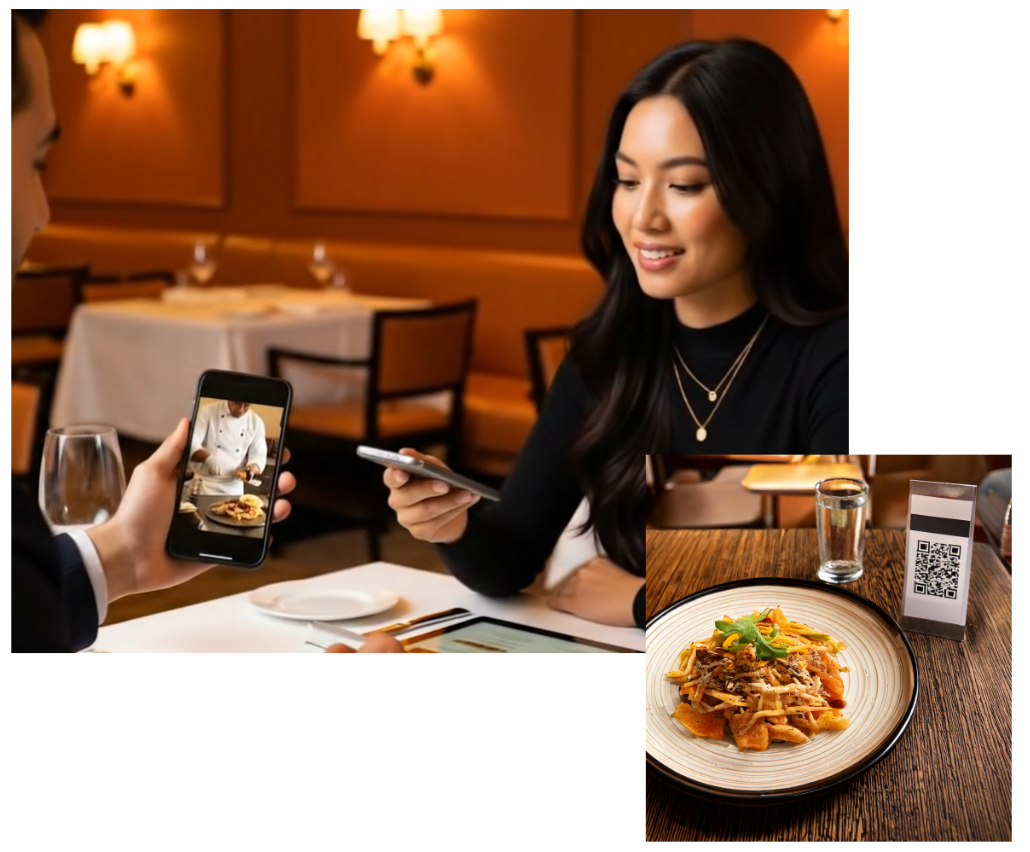
Unified Super App architecture
One standard or whitelabel mobile container adapts experiences by role, location, permissions, and context instead of forcing users to install fragmented single-use apps.
Home / Solutions / smart-places
Smart Places · Phygital Environments
Connect physical spaces to contextual mobile experiences through Super Apps, QR Codes, geofencing, no-code publishing, and secure digital workflows.
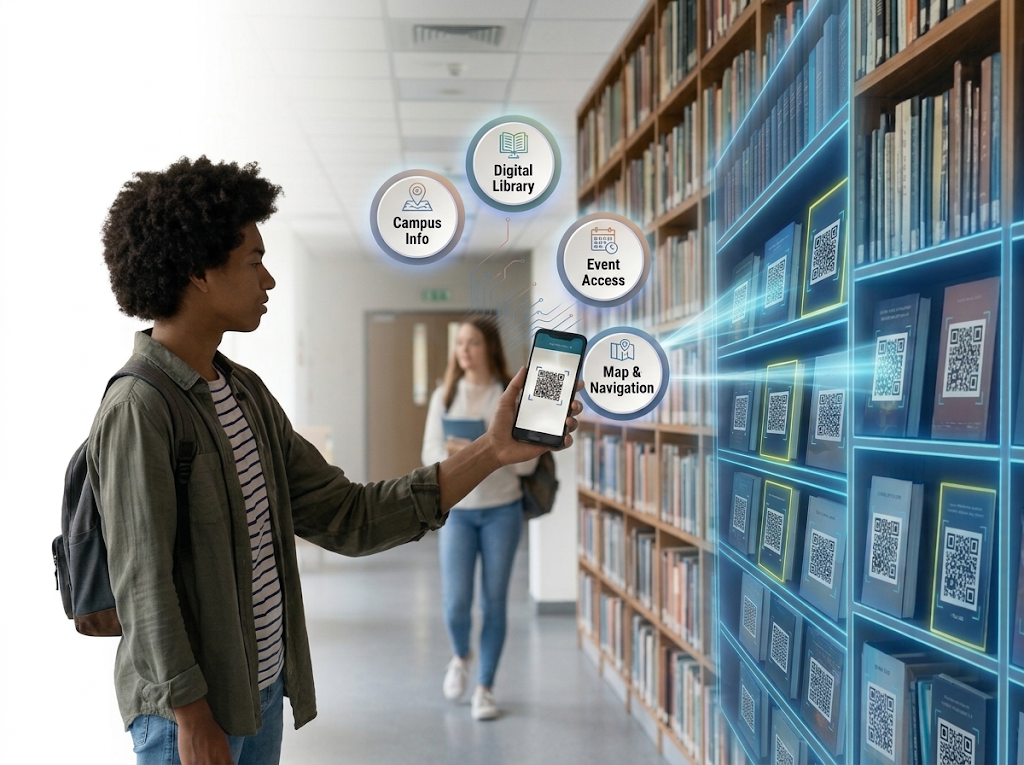
The phygital paradigm shift
Midiacode Smart Places replaces app fragmentation and paper-heavy operations with one contextual Super App ecosystem for visitors, citizens, students, guests, employees, patients, and technical teams.
1
Unified Super App
One branded mobile container supports multiple places, profiles, and long-term journeys.
0
Paper-first operations
Replace printed guides, manuals, signage, and event materials with updateable digital content.
3-tier
Operational analytics
Measure captures, readings, shares, deletions, and geofenced engagement by space and content.
How a Smart Place works
01 · Discover
Reveal contextual information
QR Codes, geofences, NFC, digital buttons, and smart links activate content precisely where it is needed.
02 · Explore
Deliver the right experience
Visitors, citizens, students, guests, employees, and technical teams receive content adapted to location, role, and permissions.
03 · Capture
Keep content available
Users capture guides, manuals, maps, schedules, training, menus, and digital cards for online or offline access.
04 · Operate
Update and automate continuously
Studio publishers change content remotely while AI workflows, alerts, surveys, inspections, and integrations keep the environment active.
Georeferenced content guiding citizen and visitors.
Structured implementation and onboarding lifecycle
Midiacode brings Smart Places online through a five-step lifecycle that aligns content, systems, physical triggers, access governance, and operational autonomy.
Unified Super App architecture
One standard or whitelabel mobile container adapts experiences by role, location, permissions, and context instead of forcing users to install fragmented single-use apps.
Transmedia triggers and geolocation
QR Codes, geofences, NFC, digital buttons, short links, and virtual bookshelves connect physical touchpoints to mobile content.
Studio CMS, AI, and automation
No-code publishing, real-time updates, workflow automation, document summaries, alerts, surveys, inspections, and micro-applications.
Governance, security, and ESG
Granular ACLs, GDPR and LGPD controls, zero-paper operations, and measurable sustainability improvements across the environment.
01 · Proposal and commercial alignment
Define the environment scope, Super App requirements, integration needs, investment model, and long-term sustainability plan.
02 · Kick-off and strategic planning
Prioritize content, map physical touchpoints and triggers, identify legacy integrations, and establish the operational roadmap.
03 · Studio setup and team training
Configure Midiacode Studio, whitelabel app containers when needed, domain routing, access rules, and publisher training.
04 · Field testing and environment validation
Test QR Codes, geofences, access permissions, mobile journeys, and user acceptance across real locations and user profiles.
05 · Final delivery and ongoing expansion
Launch the Smart Place, transfer publishing autonomy, monitor analytics, and continuously add content, automation, and platform capabilities.
The Midiacode Smart Places ecosystem
Capability 1
Capability 2
Capability 3
Capability 4
Traditional physical space vs. Smart Place ecosystem
User interaction
Passive navigation through signs, flyers, brochures, and paper instructions.
Interactive phygital engagement with contextual mobile content.
Application strategy
Fragmented single-use apps for each event, building, or department.
One Super App or whitelabel container supporting multiple profiles and places.
Content currency
Reprints and outdated maps, manuals, agendas, or regulations.
Real-time cloud publishing and OTA updates across devices.
Sustainability
Paper, toner, waste handling, and physical distribution footprint.
Zero-paper operations aligned with ESG and carbon-reduction goals.
Operational insight
Little visibility into collateral usage or visitor behaviour.
Captures, readings, shares, deletions, and geofenced heatmaps.
Smart Places in practice
Apply Smart Places to locations where people move, learn, work, receive care, visit, and access public services.
Smart Retail
Contextual retail experiences, product discovery, sensors, and in-store engagement.
Explore Smart Retail →Digital Menu
Digital ordering, payments, hospitality services, and mobile-first guest experiences.
Explore Digital Menu →Smart Cities
Citizen services, public information, tourism, transport, parks, and municipal touchpoints.
Explore Smart Cities →Smart Places FAQ
No. QR Codes, smart links, geofences, and web experiences can deliver contextual content directly to smartphones. A Super App or whitelabel container adds persistent access and richer journeys when appropriate.
Smart cities, universities, hospitals, hotels, corporate offices, coworking spaces, industrial plants, museums, parks, events, and other physical environments.
Yes. Access Control Lists can provide different content to visitors, citizens, students, guests, employees, medical teams, maintenance crews, and technical staff.
Documents, manuals, maps, schedules, menus, videos, podcasts, digital cards, forms, inspections, dashboards, micro-applications, alerts, and integrated workflows.
Depending on scope, a Smart Place can move from alignment and planning through setup, field testing, and launch in days to a few weeks.
Talk to our specialists
Connect spaces, people, content, and operations through one secure phygital platform.
Places where stories and content come alive
Turn restaurants, hotels, attractions, campuses, and public spaces into connected experiences where people discover useful content through physical objects and meaningful interactions.